Micro Plant Solutions

(30 - 150 cubic metres / day)

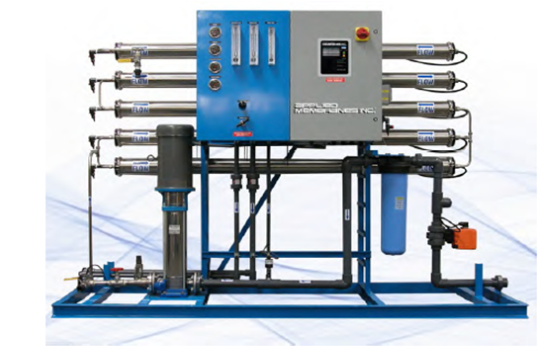
DDFS & AMI team have custom engineered a membrane water treatment system to enable the use of brackish borehole water and meet the SANS 241 quality requirements for your application, outlined in this proposal.

Attached document is the High Recovery (HR) Reverse Osmosis (RO) solutions which address the removal of the low Cl, low metals and Ecoli in the feed water from the borehole water. The Ultra-High Recovery (90% to 98%) RO brine membrane concentrators operating at UHR can use NF (Nano Filtration) or RO membranes. NF membranes target specific ion rejection, including Total Organic Carbon (TOC) & Chemical Oxygen Demand (COD), for optimized performance. The environmentally engineered AMC technology is applicable for various brackish source waters as well as wastewater reuse/reclamation applications to reduce the brine or waste stream.

The post treatment of package is an ultraviolet disinfection (UV) which is widely accepted as an effective treatment for the removal of microbiological contaminants from water. Even highly chlorine-resistant microbes such as Giardia and Cryptosporidium can be effectively disinfected from water with UV. NSF-certified UV systems are becoming an increasingly popular alternative to chemical treatment for many applications. Please note that the water treatment systems are NSF-certified.

Advantages of Wind Power

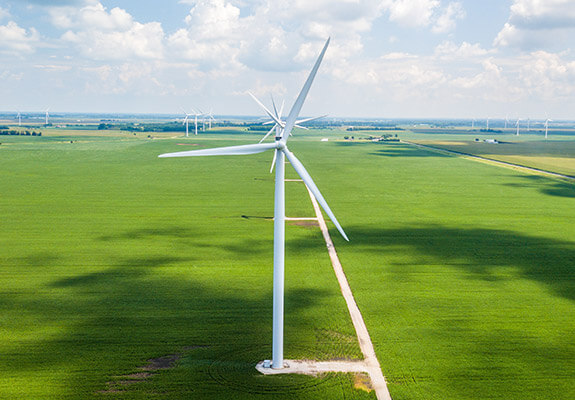
  1. Wind power offers many advantages, which explains why it’s the fastest-growing energy source in the world. A road map for energy independence based on strong national investment in wind power has been the cornerstone of T. Boone Pickens “Pickens Plan”.
  2. Wind energy is fueled by the wind, so it’s a clean fuel source. Wind energy doesn’t pollute the air like power plants that rely on combustion of fossil fuels, such as coal or natural gas. Wind turbines don’t produce atmospheric emissions that cause acid rain or greenhouse gasses.
  3. Wind energy is a domestic source of energy, produced in the United States. The nation’s wind supply is abundant.
  4. Wind energy relies on the renewable power of the wind, which can’t be used up.
  5. Wind energy is one of the lowest-priced renewable energy technologies available today, costing between 4 and 6 cents per kilowatt-hour, depending upon the wind resource and project financing of the particular project.
  6. Wind turbines can be built on farms or ranches, thus benefiting the economy in rural areas, where most of the best wind sites are found. Farmers and ranchers can continue to work the land because the wind turbines use only a fraction of the land. Wind power plant owners make rent payments to the farmer or rancher for the use of the land.

Other Solutions

Small Scale Desalination

(<1 million Litres / day)

Leave a Comment

    Looking To Start A Project?

    In order to best assess how we can assist you, please complete the attached RO System questionnaire.